
I spent 9 months talking to 150+ CTOs, Heads of AI, and VPs of Product. The conversations were different every time. The bottleneck was the same. Today I want to share what I found, and why it changed everything about what we're building.
I spent 15 years at Amazon, Swiggy, Coupang. TPM running multi-year programs. Org-wide initiatives. Everything aligned, everything planned, everyone knew the goal. Then I left to learn AI from scratch. No safety net. No playbook. No one owed me anything. The first 6 months taught me more than those 15 years did.
First lesson: everything I thought I knew didn't matter. At Amazon, I had all the context. In a startup, I had zero. I had to earn it.
Second lesson: talking to customers isn't optional. It's everything. 9 months, 150+ interviews. That's not extra. That's the job.
Third lesson: being small is an advantage, not a problem. I can change direction in a week. I can talk to a customer and ship a feature iteration in days. That flexibility is everything.
I chose this. I'm learning. And I've never been more certain about anything in my life.
The interview that changed everything
One of those conversations changed how I think about the entire industry. A CTO from a fintech company told me about what he called "the iteration trap."
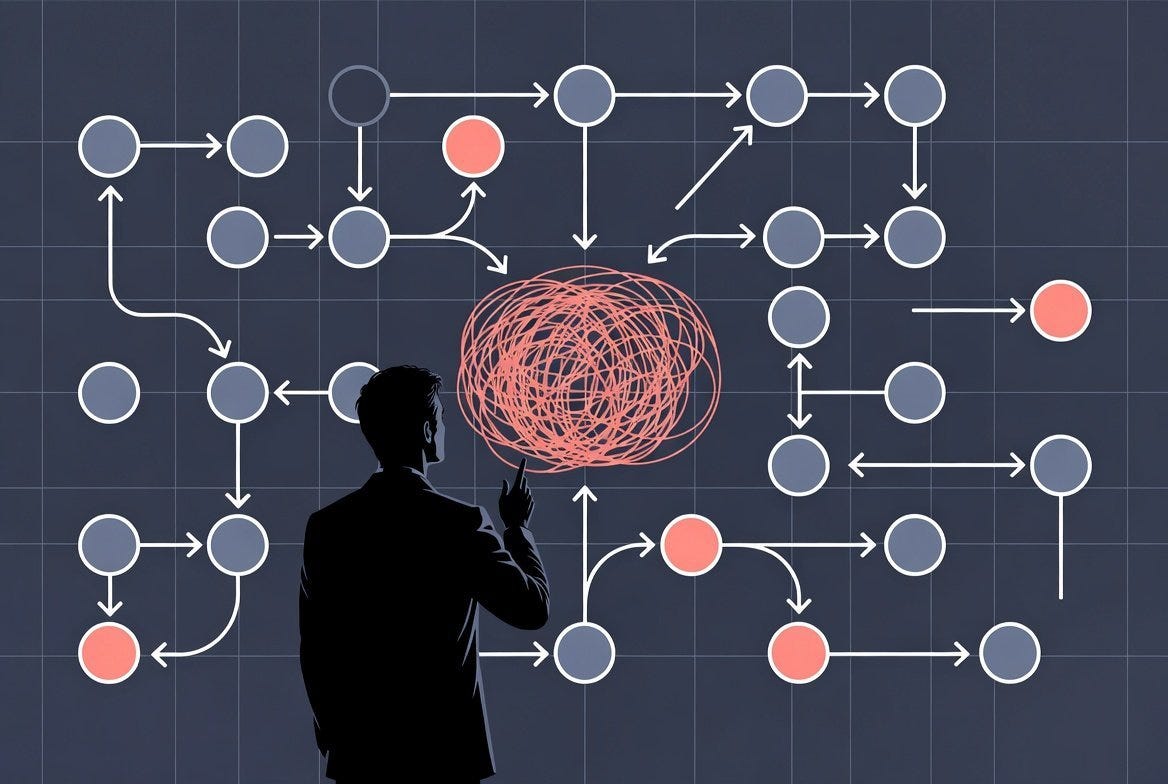
His team built a fraud detection model. Shipped it. Worked great for 3 months. Then patterns shifted. Different fraud types. Model broke. Rebuilt it. Better. Shipped again. Worked for 2 months. Same thing. A year later, still iterating. The problem was solved three times over. But they were trapped in rebuild cycles.
Why? Because nobody automated pattern discovery. Every rebuild required a data scientist sitting down, analyzing what changed, rebuilding the architecture from scratch. That's the hard 70%. And it's where teams get stuck.
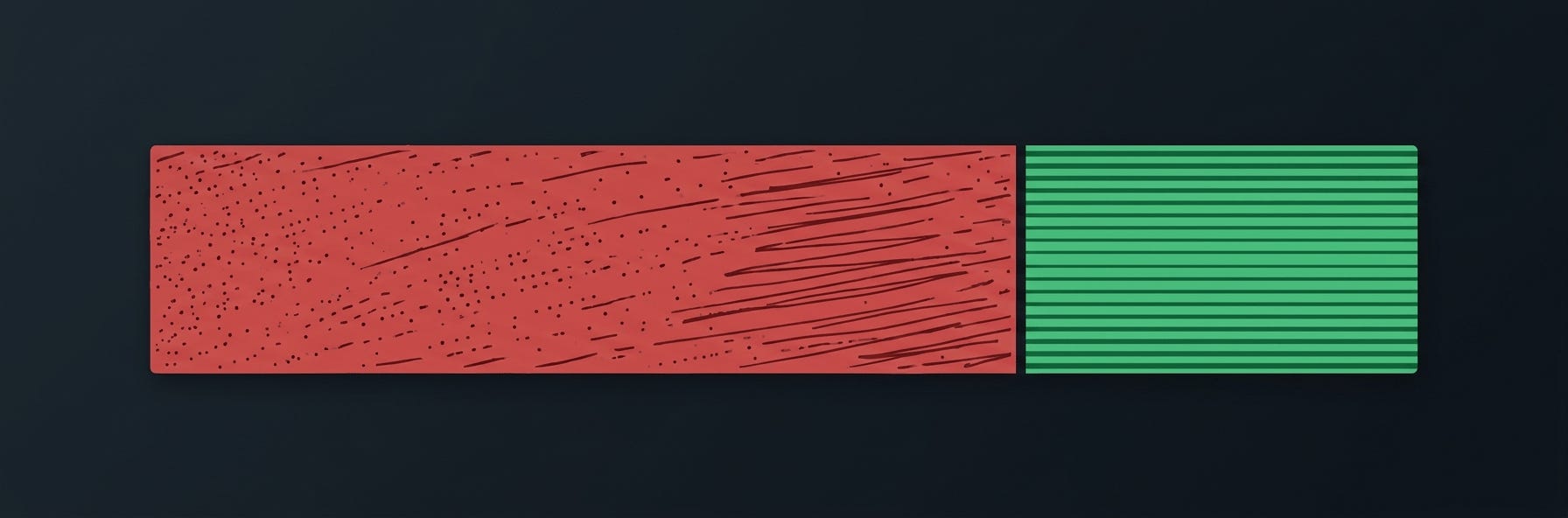
Most companies think the solution is more data scientists. More GPUs. Faster iteration cycles. But that's missing the point. The bottleneck isn't speed. It's intelligence. You need a system that understands pattern drift before it breaks your model, that validates patterns before you ship, that knows what your model actually knows. That's what we're building. That's VibeModel's Pattern Intelligence Layer.
The hierarchy nobody talks about
Across all 150+ conversations, I found a hierarchy of failure modes. It goes like this. Most teams discover the problem when a model fails in production. Too late. Better teams discover it during validation, but they still manually rebuild. The best teams, less than 10% of who I talked to, have some form of drift monitoring, but even they can't automate what to do about it.
Nobody has a system that handles the full loop: discover patterns, validate them, detect drift, and recommend architecture changes automatically.

That full loop is what makes VibeModel different from every AutoML platform, every agent framework, and every model monitoring tool. This isn't about building models faster. It's about building models that understand what they know and what they don't.
If this resonates, the question I keep coming back to is simple: what's your biggest AI reliability challenge right now, and is anyone on your team actually writing the answer down?